
Hydropower & Energy
Detailed feasibility of small hydropower projects, micro-hydro inventory and design, electrification studies, and survey and design of transmission and distribution lines.
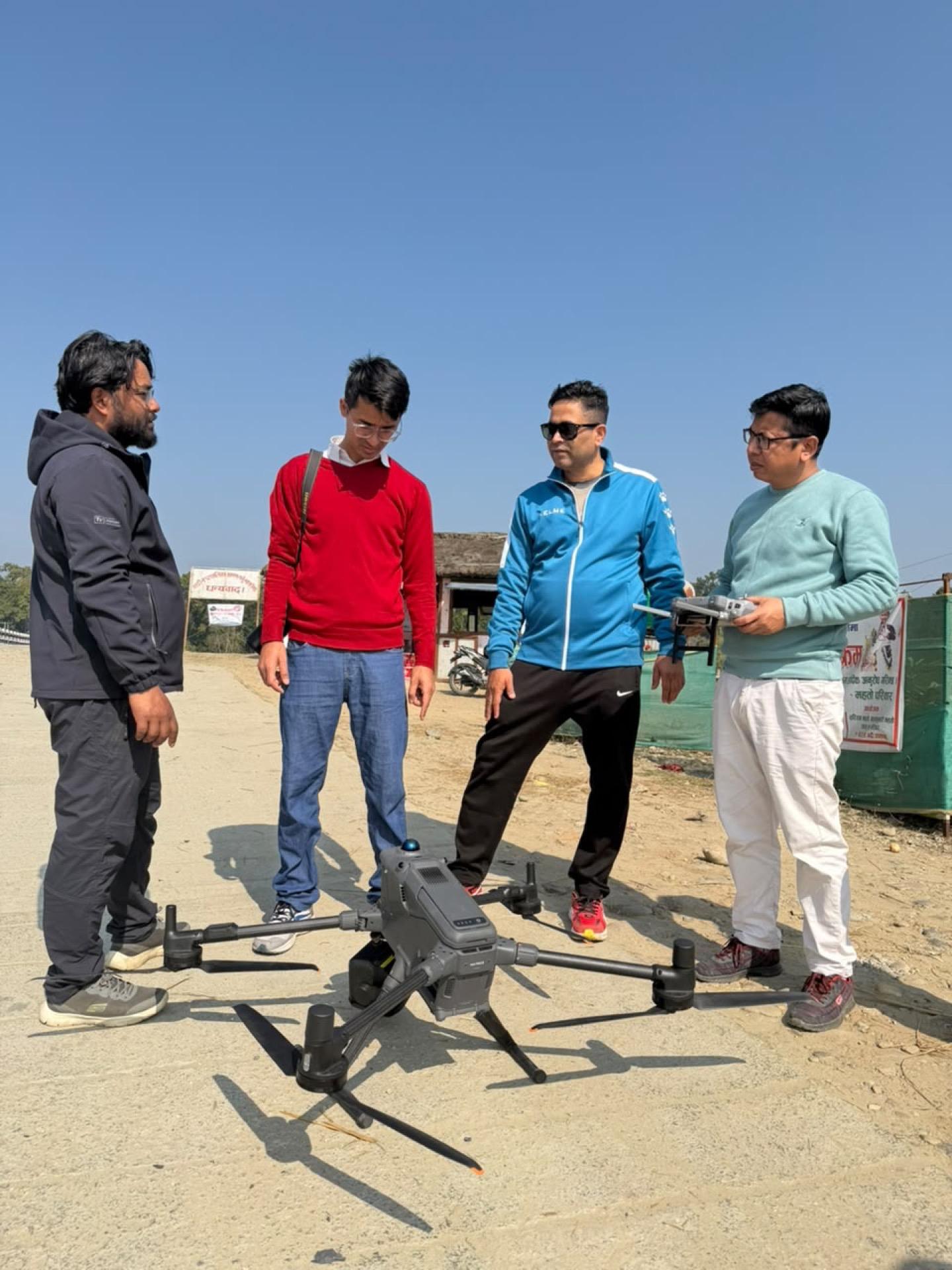
Hydropower work in Nepal fails or succeeds on the quality of the early study. A headworks sited without understanding the sediment regime, a penstock alignment drawn from a coarse contour map, a design flow taken from a gauge thirty kilometres downstream — each of these turns into a cost overrun that surfaces years later, during construction. e2services works at that early stage, where the decisions are cheapest to get right.
We combine hydrological analysis, survey-grade field data and engineering design to produce studies that a developer can finance and a licensing authority can review. Our teams handle the full arc of a small or micro-hydro study: catchment and flow assessment, site investigation, layout alternatives, structural and hydraulic design, cost estimation, and coordination with environmental and social specialists when the assignment calls for it.
The transmission and distribution side runs on the same survey capability. Line routing is a terrain problem before it is an electrical one, and we approach it that way — corridor survey, tower spotting, profile and section drawings, and quantity estimates prepared to the standard the utility will actually check.
For electrification feasibility, particularly under Alternative Energy Promotion Centre programmes and municipal energy planning, we assess demand, supply options and delivered cost per connection so that the comparison between grid extension and a local scheme rests on numbers rather than assumption.
What we deliver
- Detailed feasibility studies of small hydropower projects
- Inventory and detailed design of micro-hydropower schemes
- Feasibility studies of electrification in different areas
- Detailed survey and design of transmission and distribution lines
- Energy planning support for agencies and developers
How the work runs
- 01
Desk study and catchment assessment
Topographic and hydrological review of the catchment, existing gauge records, and any prior studies, to establish whether the site is worth mobilising for.
- 02
Field survey and site investigation
GNSS and total station survey of the headworks, waterway and powerhouse sites, with geological walkover and access assessment.
- 03
Hydrological analysis
Flow duration, design flood and low-flow analysis using regional methods and HEC modelling, with sediment considerations for the intake.
- 04
Layout alternatives and selection
Two or more layouts compared on head, length, geotechnical risk, access and cost, so the recommendation is defensible rather than assumed.
- 05
Detailed design and estimate
Structural and hydraulic design, drawings, bill of quantities and cost estimate at the level the client's approval process requires.
What you receive
- Feasibility or detailed feasibility study report
- Topographic survey data and site maps
- Hydrological analysis with design flow and design flood
- Layout alternatives with comparative assessment
- General arrangement and structural drawings
- Bill of quantities and cost estimate
- Transmission and distribution line profiles and tower schedules
- Digital data package — survey files, models and drawings
Common questions
What size of hydropower project do you work on?
Our published specialisation is small and micro-hydropower — detailed feasibility of small hydropower projects, and inventory and detailed design of micro-hydro schemes. For larger projects we typically contribute the survey, hydrological, geological or geotechnical components within a wider study team.
Can you survey a transmission line corridor as well as the plant?
Yes. Detailed survey and design of transmission and distribution lines is a core service, and it uses the same GNSS and UAV capability as our other corridor work, so the plant and its evacuation route can be surveyed under one mobilisation.
Do you carry out environmental and social studies?
We provide the engineering, survey and hydrological inputs, and mobilise specialist resource consultants for environmental and social components when an assignment requires them. That is how we form multi-disciplinary study teams for larger work.
Need a survey, a design package, or a multi-disciplinary study team?
Tell us about the corridor, basin, or facility. We will respond with the right mix of engineering and field capability.