
Geotechnical Investigation & Dam Safety
Subsurface investigation planning including boreholes and geophysical survey, slope and foundation stability analysis, and risk-informed design recommendations for dam safety.
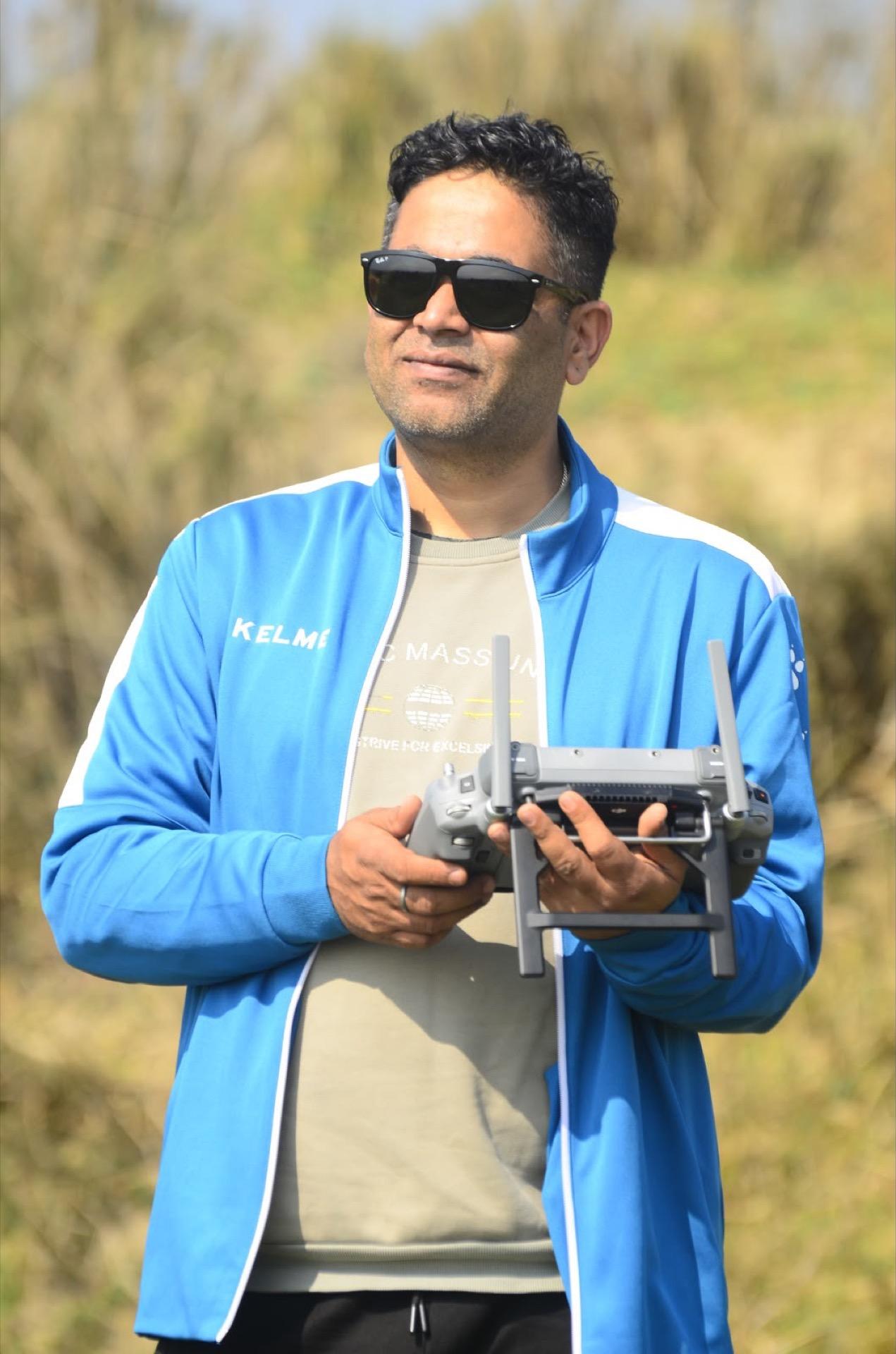
Subsurface investigation is where projects quietly decide whether they will be over budget. Too few boreholes and the foundation is a guess; boreholes in the wrong places and they are an expensive guess. Geophysics is what makes the drilling programme intelligent — a seismic refraction line across the site first, then holes where the profile says the questions are.
e2services owns two multichannel digital seismograph sets with vertical geophones, a 24-channel Terraloc Pro 2, and the accessories for MASW and SASW surveys. That means seismic refraction and surface-wave profiling are part of our own workflow rather than a subcontract, and the investigation programme can adapt in the field as the profile emerges.
The analysis side covers slope stability and foundation stability, feeding risk-informed design recommendations for dams and their appurtenant structures. Dam safety is explicitly a risk framing rather than a compliance one: the question is not only whether a structure meets a code, but what happens if the assumptions behind that code are wrong, and how much that outcome would cost.
Long-term infrastructure resilience assessment extends the same thinking across a portfolio — which structures carry the most consequence, which have the least margin, and where monitoring or intervention buys the most reduction in risk.
What we deliver
- Subsurface investigation planning — boreholes and geophysical survey
- Seismic refraction and electrical resistivity tomography
- Slope-stability and foundation-stability analysis
- Risk-informed design recommendations for dam safety and appurtenant structures
- Long-term infrastructure resilience assessment
How the work runs
- 01
Investigation programme design
Programme designed around the specific geotechnical questions the structure poses, rather than a standard borehole grid.
- 02
Geophysical profiling
Seismic refraction, MASW or ERT run first to map the subsurface profile and target the intrusive investigation intelligently.
- 03
Intrusive investigation and testing
Boreholes, dynamic cone penetrometer testing and sampling, with laboratory testing as the design parameters require.
- 04
Stability and foundation analysis
Slope and foundation stability analysed under static and seismic conditions, using parameters traceable to the investigation.
- 05
Risk-informed recommendations
Design recommendations framed against consequence as well as compliance, with residual risk and monitoring needs stated explicitly.
What you receive
- Geotechnical investigation report with logs and test results
- Geophysical survey profiles and interpretation
- Subsurface model and design parameter set
- Slope and foundation stability analysis
- Risk-informed design recommendations
- Dam safety assessment and appurtenant structure review
- Monitoring and instrumentation recommendations
- Long-term resilience assessment
Common questions
Do you own geophysical equipment or subcontract it?
We own two multichannel digital seismograph sets with the full accessory kit for MASW and SASW surveys. Owning it means the investigation programme can adapt in the field as the subsurface profile emerges, instead of being fixed before mobilisation.
What does risk-informed dam safety mean in practice?
It means assessing consequence alongside compliance — not only whether a structure meets a code, but what happens if the assumptions behind that code prove wrong, and whether the cost of that outcome justifies additional margin, monitoring or intervention.
Need a survey, a design package, or a multi-disciplinary study team?
Tell us about the corridor, basin, or facility. We will respond with the right mix of engineering and field capability.